
Connect clinical, billing and stock-control requirements
Plan an HMIS walkthrough for your Kenyan hospital or clinic. Discuss patient records, billing, pharmacy, claims requirements and reporting with your clinical and finance teams.
Illustrative workflow
Facility billing review
- Facility
- County sample facility
- Bill reference
- DEMO-HM01
- Payment allocation
- In review
- Claim validation
- 1 query open
Fictional records for illustration. Confirm the workflow in your tailored demonstration.
Start with your operational priorities
Public, private and mission facilities need workflows that support patient care alongside financial accountability. A useful evaluation involves clinicians, pharmacy, finance and information-governance staff.
Patient, billing and stock records can diverge across disconnected systems.
Claim exceptions and missing documentation delay finance follow-up.
Connectivity and emergency-care procedures need explicit planning.
A useful evaluation
Workflows to explore in your demonstration
We will match the discussion to your organization. Confirm demonstrated capabilities, configuration needs and external dependencies in the proposal.
Patient workflow review
Map registration, triage, consultation, orders and follow-up with the clinical team. Agree permissions and escalation responsibilities.
Billing and claims
Review eligibility, supporting documentation, claim exceptions and reconciliation. Confirm the current SHA/DHA interface and production onboarding requirements.
Pharmacy stock control
Evaluate prescription authorization, batch and expiry tracking, stock adjustments and reconciliation with physical counts.
Clinical continuity
Agree downtime, emergency access and recovery procedures. Payment controls must not prevent emergency care; test the facility’s approved exception workflow.
Reporting requirements
Validate report definitions and sample totals with the facility. Confirm DHIS2 formats, authorization and reporting responsibilities.
Privacy and access
Discuss role-based access, audit review, retention, processor responsibilities and hosting requirements before deployment.
Define success before rollout
Agree who prepares, reviews and approves each operational step.
Include incomplete, disputed and reversed transactions in the evaluation.
Use your baseline and agreed test cases to assess the implementation.
Agree staff training, clinical escalation and downtime procedures before the facility goes live.
Define clinical and financial responsibilities
Use one synthetic encounter to agree where clinical documentation, charging and settlement meet. Confirm the proposed interfaces and downtime procedures with the facility.
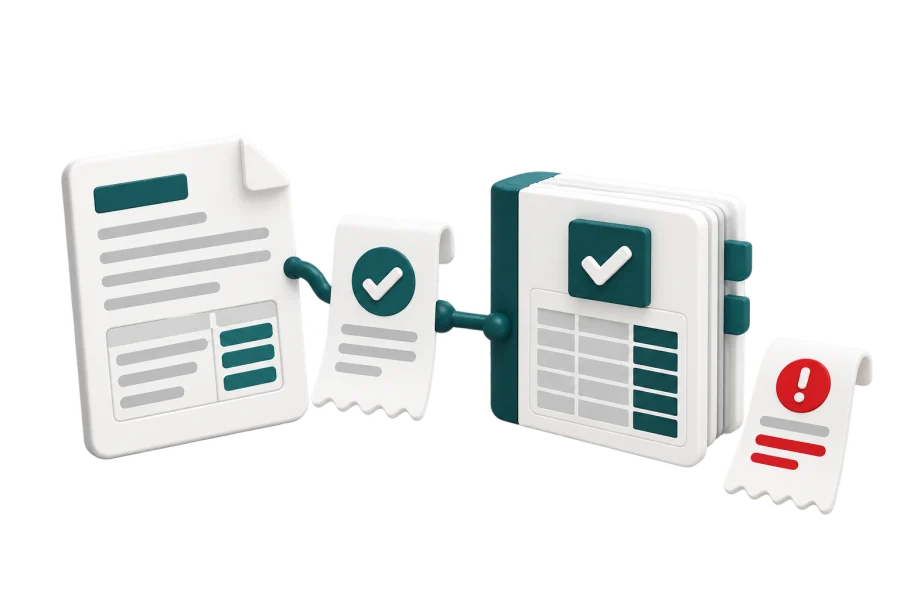
Illustrative example using synthetic data; not a customer result or a statement of verified product behavior.
Clinical team: record the service
The clinical system records the service and its authorized completion. Finance needs a traceable charge reference, not unrestricted access to the entire clinical record.
Billing team: account for the charge
Link the encounter, service code, effective tariff and invoice. In a fictional KES 1,200 charge with KES 400 allocated, KES 800 remains outstanding. A submitted insurance claim is a separate review state, not proof that this balance has been paid.
Claims team: track external decisions
Track claim reference, submission date, response reason and claims officer. Keep submitted, queried, approved and paid states separate. Link resubmissions to the original claim and match payment evidence before treating an approved claim as settled.
Facility leadership: approve continuity
Agree emergency access, deferred charging and recovery checks with clinical leadership. A financial exception must have an escalation route that preserves appropriate care.
Questions before you decide
Is SHA integration included automatically?
The integration route, current specification, access permissions and production acceptance must be confirmed for the deployment. Request a demonstration and onboarding evidence for the proposed scope.
Can the facility operate during downtime?
Define the clinical continuity plan with your team and demonstrate the agreed downtime and recovery workflows. Offline operation should be confirmed for each critical workflow.
Are claim approval rates guaranteed?
No. Payer decisions depend on eligibility, documentation and other conditions. Establish a baseline and measure rejection reasons and reconciliation time during an agreed evaluation.
How should we evaluate access to patient and billing records?
Define permissions for clinical, pharmacy, records and finance roles. Use anonymized examples to test which records each role can view or change, how access is reviewed and how changes appear in the audit trail.
Evaluating Hospital management system in Kenya
Evaluate hospital management software against the patient, billing, pharmacy and reporting workflows of your facility. An HMIS procurement discussion should distinguish demonstrated functionality from interfaces that need configuration or external approval.
What to review in your demonstration
- Follow a representative patient journey from registration to services, billing and reconciliation.
- Review pharmacy dispensing, stock adjustments, staff permissions and audit history.
- Agree claims, DHIS2 and other reporting requirements, integration dependencies, downtime procedures and acceptance tests.
Is this a hospital login or a software enquiry page?
This is the CountyERP marketing website for requesting a hospital software demonstration or pricing. It is not a patient portal, clinical record system or a login to Kenya HMIS services.
What information helps scope an HMIS demo?
Share the facility type, service areas, approximate users, existing systems and the billing or reporting problems you want to examine. Do not submit patient records through the enquiry form.
Are external health-system integrations included automatically?
No integration should be assumed from the product name. Confirm each interface, approval, test environment, ownership responsibility and rollout dependency in the agreed scope.
Discuss your requirements with CountyERP
Share your organization, product interests and rollout priorities for a tailored walkthrough or proposal.